You arrive to open your Miami storefront and find a cloudy name, symbol, or set of lines cut into the front glass. Before someone brings out a razor blade or orders a new pane, identify what has actually been damaged. Acid etching and deliberate scratching are not ordinary graffiti stains, and the first decisions can affect both the repair options and the record of the incident. Glass scratch removal in Miami is best considered after the scene is documented and the surface is assessed.
Understand Why Etching Does Not Wash Off
Spray paint and marker ink sit on top of glass. Acid etching changes the actual surface. The Corning Museum of Glass describes acid etching as a chemical process involving hydrofluoric acid, which can produce a matte appearance. A vandalized panel may therefore retain a frosted mark even after ordinary residue has been removed.
Deliberate scratches can look similar from across the sidewalk, but they are mechanical cuts rather than chemical alteration. Both may scatter light, obscure a display, and appear especially noticeable when store lighting shines through at night. The difference matters because a cleaning product designed for paint residue does not restore material lost from the glass surface.
Photograph the Damage Before Touching It
Take wide photographs showing the whole storefront, then close views that record the mark’s shape and location. Note the date and approximate discovery time. Preserve available security video and any incident or maintenance records. If the business is leased, tell the building owner or property manager promptly so the relevant insurance, lease, and glazing documentation can be reviewed.
If there is fresh, wet, or unknown chemical residue, keep people away from the area and seek an appropriate emergency or hazardous-material response rather than trying to neutralize or wipe it. OSHA warns that hydrofluoric acid exposure can cause serious injury, sometimes with delayed symptoms. An old dry etched mark does not itself prove a continuing chemical hazard.
Use the Correct Miami Reporting Channel
Within the City of Miami, criminal vandalism can be reported to police through the city’s non-emergency number, 305-579-6111, when there is no immediate danger. The city’s Code Compliance information directs owners with graffiti on private property to Code Compliance at (305) 416-2087; 311 is another reporting option. Keep any report number with photographs and property records.
The City of Miami’s graffiti page also distinguishes certain city-owned property from private property, which is handled through Code Compliance. Miami Beach, other municipalities, and unincorporated Miami-Dade have their own jurisdictional arrangements. Confirm which government serves the storefront instead of treating the entire metro area as one city. A report documents the problem; it does not decide whether the pane must be replaced.
Resist the Urge to Scrape or Buff It Yourself
Repeated cleaning may remove loose dirt but will not reverse etched glass. Razor blades can introduce scratches, while abrasive pads or improvised power polishing may leave a wider cloudy patch. Chemical mixtures create risks to people, sealants, frame finishes, and coatings. A treated storefront pane may have an exposed coating or film whose compatibility needs to be checked before any method is chosen.
For a safe initial visual check, inspect under daylight and from inside the store. Note whether the damage is on the accessible exterior surface, affects a film, or appears within a glazing assembly. Do not peel a film or scrape a suspected chemical deposit simply to find out. The glass and glazing supplier’s instructions should control cleaning decisions.
When Professional Restoration Deserves a Look
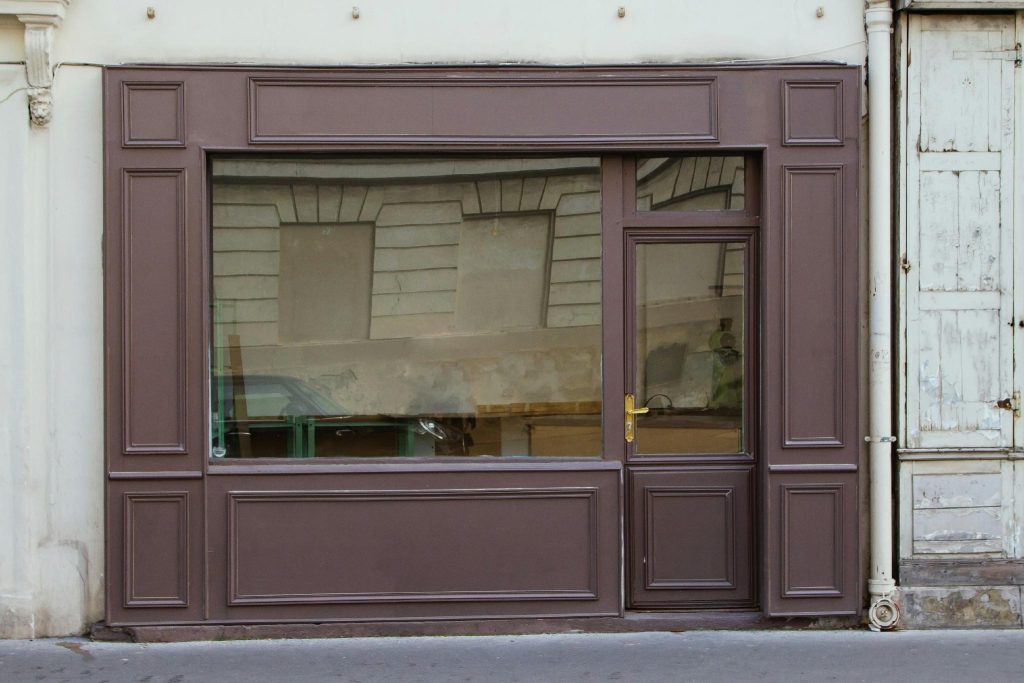
The San Francisco Public Works graffiti guidance recognizes acid-etched and scratched glass as destructive forms of vandalism that can require replacement. That does not mean every damaged storefront pane is beyond help. For suitable glass, professional assessment may identify a surface-restoration option before full replacement is authorized.
A specialist should examine the depth and spread of the marks, glass type, coatings, safety condition, and required optical appearance. Controlled glass scratch repair in Miami may be practical for some surface damage, but polishing can distort reflections if too much material is removed. Cracks, problematic edge damage, failed insulated units, or irreplaceable functional coatings call for a different response. The realistic question is whether the result can meet the storefront’s needs without creating a new defect.
Compare Repair and Replacement as Business Decisions
Consider more than the quoted price. Replacement can involve pane fabrication, permits or approvals where applicable, glazing labor, temporary securing, and interruptions to the entrance or display. Restoration still needs compatible glass, access, an agreed test or assessment, and a credible finish standard. Ask the property owner and insurer what documentation they require before committing to either option.
For recurring vandalism, a compatible protective film may be worth discussing with a glazing professional. Film choice and installation should follow the glass manufacturer’s recommendations; it is not a substitute for repairing an already etched surface.
Request a Storefront Glass Assessment
We assess suitable storefront scratches and graffiti-style glass etching at SM Glass Scratch Repair through our mobile restoration service. For glass scratch removal in Miami, contact us with photos and basic pane details. We can discuss whether surface restoration merits consideration; we do not repair broken glass.